
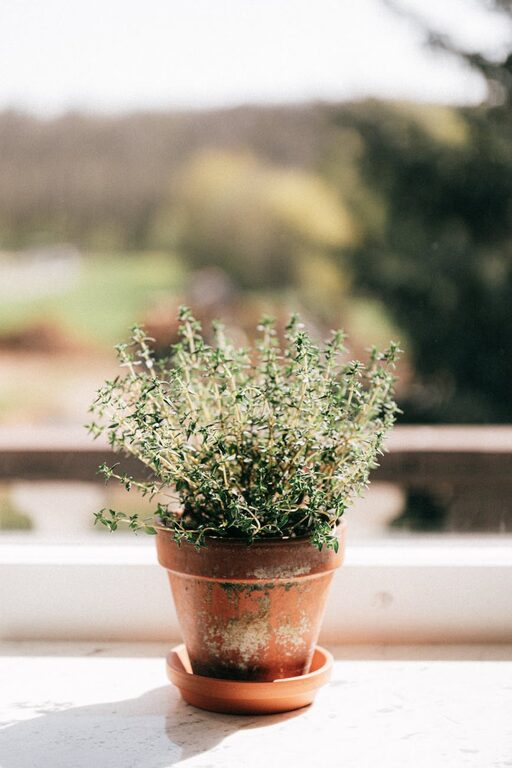
Growing your own herbs indoors is a wonderful way to have fresh flavors at your fingertips, brighten up your kitchen, and enjoy the therapeutic benefits of gardening — all year round. Whether you have a sunny windowsill or a cozy corner, starting a small herb garden indoors is easier than you might think. This guide will walk you through everything you need to know to get started.
Why Grow Herbs Indoors?
Indoor herb gardens offer multiple benefits:
– Freshness: Snip herbs straight from the plant for your cooking.
– Convenience: No need to run to the grocery store for fresh herbs.
– Aesthetics: Adds greenery and life to your indoor space.
– Well-being: Tends to have calming effects and improve air quality.
Even if you don’t have a large yard or outdoor garden space, an indoor herb garden is accessible and manageable.
Choosing the Right Herbs for Indoors
Not all herbs thrive indoors, so it’s good to choose varieties that do well inside:
– Basil: Loves warmth and sunlight.
– Parsley: Prefers moderate indirect light.
– Cilantro: Grows well in cooler indoor spots.
– Thyme: Needs good light and well-drained soil.
– Chives: Adaptable and easy to grow.
– Mint: Grows quickly; keep in a separate pot to avoid spreading.
– Oregano: Thrives in bright light and dry conditions.
Tip: Start with 3–5 types to keep your garden manageable.
What You’ll Need
Gather these basic supplies before you begin:
– Containers: Pots with drainage holes are essential. Choose sizes around 4–6 inches in diameter.
– Potting mix: Use a light, well-draining potting soil designed for indoor plants.
– Seeds or starter plants: Both options work, but starter plants may save time.
– Watering can or spray bottle: For gentle watering.
– Light source: A bright south-facing window or supplemental grow lights.
– Labels: Optional, but helpful to identify your herbs.
Step-by-Step Guide to Starting Your Indoor Herb Garden
1. Select Your Containers and Soil
Use pots with drainage holes to prevent waterlogging. If your containers don’t have holes, add a layer of small stones at the bottom to improve drainage.
Fill your pots with a good-quality potting mix — avoid garden soil, as it’s often too dense indoors.
2. Plant Your Herbs
– If using seeds: Follow the packet instructions for planting depth.
– If using starter plants: Gently loosen the roots and plant at the same depth they were growing.
Water the soil lightly after planting.
3. Choose the Best Location
Herbs generally need 6–8 hours of sunlight daily. Place your herbs on a south or west-facing windowsill.
If natural light is limited, consider investing in LED grow lights designed for plants. Position the lights 6–12 inches above the plants and keep them on for 12–16 hours daily.
4. Water Properly
Herbs like moist but not soggy soil. Check the soil daily — water when the top inch feels dry.
Water thoroughly until water drains from the bottom, then empty any excess from the saucer.
5. Maintain Your Garden
– Fertilizing: Use a balanced, water-soluble fertilizer every 4–6 weeks, diluted to half strength.
– Pruning: Regularly pinch or trim herbs to encourage bushy growth and prevent flowering.
– Rotation: Turn pots occasionally to ensure even light exposure.
– Pest check: Watch for indoor pests like aphids or spider mites; wipe with a damp cloth if needed.
Tips for Success
– Use seed trays or smaller pots for experimenting before transferring to larger containers.
– Group plants with similar light and water needs together.
– Keep mint in its own pot as it spreads aggressively.
– Avoid overwatering – roots need air to breathe.
– Harvest herbs in the morning for best flavor.
Troubleshooting Common Issues
– Yellow leaves: May indicate overwatering or poor drainage.
– Leggy plants: Usually from too little light; move closer to a window or add a grow light.
– Slow growth: Check soil quality and light levels; fertilize if needed.
– Wilting: Could be underwatering or too much sunlight.
Enjoying Your Indoor Herb Garden
Once established, your indoor herb garden will provide fresh leaves for teas, cooking, and garnishing. Experiment with different herbs and combinations — an indoor garden can be both a hobby and a practical way to add flavor to meals.
Growing herbs indoors takes some patience at first, but the process is enjoyable and the rewards are delicious!
—
Starting your own indoor herb garden is a great introduction to plant care and home gardening. With simple steps and minimal equipment, you can brighten your space and freshen your cooking throughout the year. Happy gardening!