
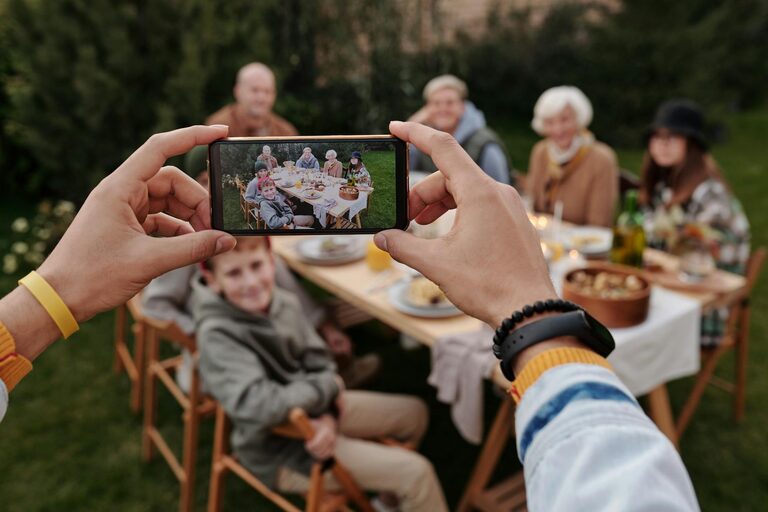
Taking great photos with your phone is easier than you think. With a few simple tips and a bit of practice, you can transform ordinary snapshots into memorable images. Whether you’re capturing moments with friends, landscapes, or everyday scenes, improving your phone photography will help you tell your story better. Here are some beginner-friendly tips to get you started.
Understand Your Phone Camera
Most modern smartphones come equipped with powerful cameras and many features, but they often remain underutilized. Before you start snapping away, take some time to explore your phone’s camera settings. Learn about different modes like portrait, panorama, or night mode, and try using the gridlines to help with composition.
Explore Camera Features
– Gridlines: Enable gridlines in your camera settings to follow the rule of thirds, which helps in balanced composition.
– HDR Mode: High Dynamic Range (HDR) combines multiple exposures to create a photo with better detail in shadows and highlights.
– Timer: Use the timer function for hands-free shots or to avoid blur when pressing the shutter button.
– Focus and Exposure Lock: Tap on your subject on the screen to set focus and adjust exposure for clearer images.
Composition Matters
Good composition can turn a simple photo into a powerful image. Here are some composition basics to keep in mind:
Rule of Thirds
Imagine splitting your screen into nine equal parts using two vertical and two horizontal lines. Place your subject along these lines or their intersections to create a balanced and interesting photo.
Leading Lines
Use natural lines like roads, fences, or bridges to guide the viewer’s eyes toward your subject.
Framing
Look for natural frames such as arches, windows, or tree branches to encase your subject, adding depth and focus.
Avoid Clutter
Keep the background simple to ensure your subject stands out. Sometimes, moving a few steps or changing the angle can help reduce distractions.
Lighting Is Key
Natural light is your best friend when taking photos.
Use Natural Light
– Golden Hour: The time shortly after sunrise or before sunset offers warm, soft light that’s flattering for almost any photo.
– Avoid Harsh Midday Sun: Direct, strong sunlight can create harsh shadows and overexposed areas. If shooting in midday brightness, try to find shade or use the light creatively.
– Backlighting: Position your subject with light behind them for dramatic silhouettes. Just be mindful to adjust exposure to ensure the subject isn’t too dark.
Use Your Phone’s Flash Sparingly
Phone flashes often produce unnatural effects. It’s best to rely on available light or bring a portable light source for dim settings.
Keep Your Lens Clean
Phone lenses can accumulate fingerprints, dust, and smudges which reduce photo clarity. Regularly wipe your lens gently with a microfiber cloth before shooting.
Stabilize Your Phone
Shaky hands can cause blurry images. Here’s how to keep your phone steady:
– Hold your phone with both hands close to your body.
– Use a flat surface or lean your elbows against a table for extra support.
– Consider a small tripod or phone stand for more precise shots, especially in low light.
Experiment with Angles and Perspectives
Try shooting your subject from different heights and angles. Crouch down low, climb higher ground, or shoot from the side instead of straight on. Changing perspective can make your photos more interesting and unique.
Edit Your Photos
After taking your pictures, spend some time editing them. You don’t need fancy software; many mobile apps like Snapseed, VSCO, or Adobe Lightroom Mobile offer user-friendly tools to adjust brightness, contrast, saturation, and crop images.
Basic Editing Tips
– Adjust exposure to brighten or darken your photo.
– Increase contrast to add depth.
– Enhance colors with saturation or vibrance, but avoid overdoing it.
– Crop to improve composition or remove distractions.
Practice Regularly
Like any skill, improving your phone photography takes practice. Challenge yourself to take photos daily or try new techniques regularly. Over time, you’ll develop your eye and style.
Final Thoughts
Taking better phone photos is a combination of understanding your device, practicing good composition, using light effectively, and editing thoughtfully. Start with these beginner tips, and you’ll be surprised how much your phone photography improves. Remember, the best camera is the one you have with you—your phone!
Feel free to share your favorite phone photography tips or photos in the comments below. Happy shooting!